The fleet
Three surfaces, one backend, and the chapter on light mode
A consumer dining app, a restaurant operating system, and an admin console. One Go backend, idea to deploy, live in Bengaluru.
Three surfaces, one backend, and the chapter on light mode
The problem
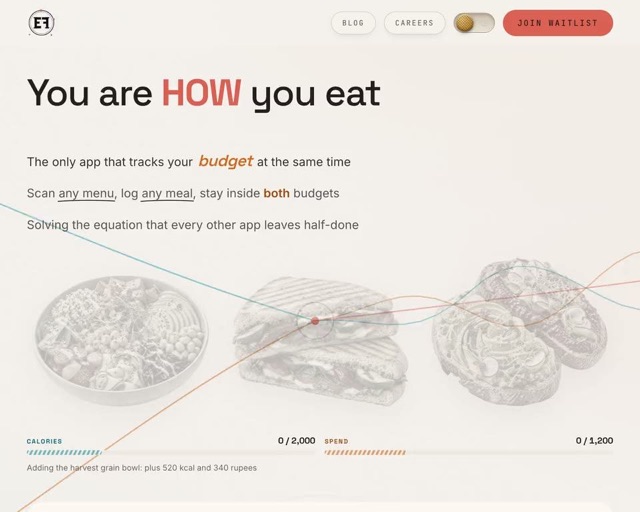
Diners track calories or budget. Never both. Operators fly blind on what their menu actually does.
Eating out in Bengaluru means juggling two numbers at once, what a meal costs your body and what it costs your wallet, and no app holds both. On the other side of the table, restaurants run on instinct: no real read on which dishes are healthy, profitable, or even ordered.
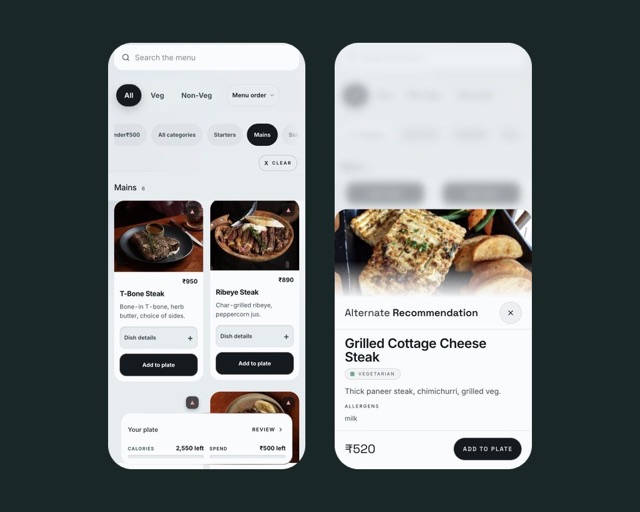
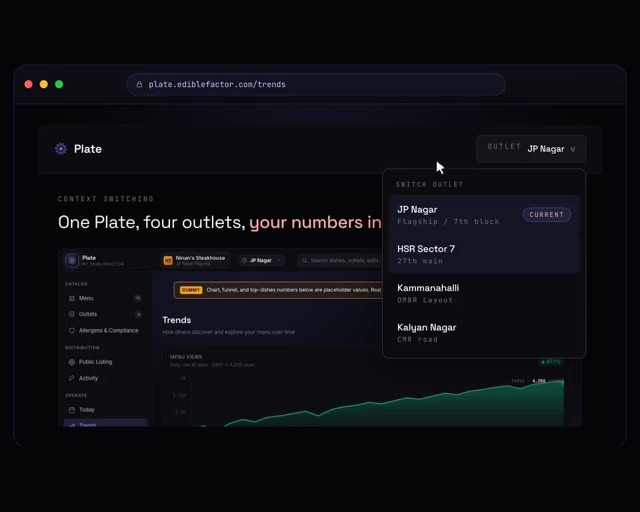
Edible Factor closes both gaps from one stack: a diner-facing app that tracks budget and calories together, and an operator OS that turns a menu into something measurable.
The fleet
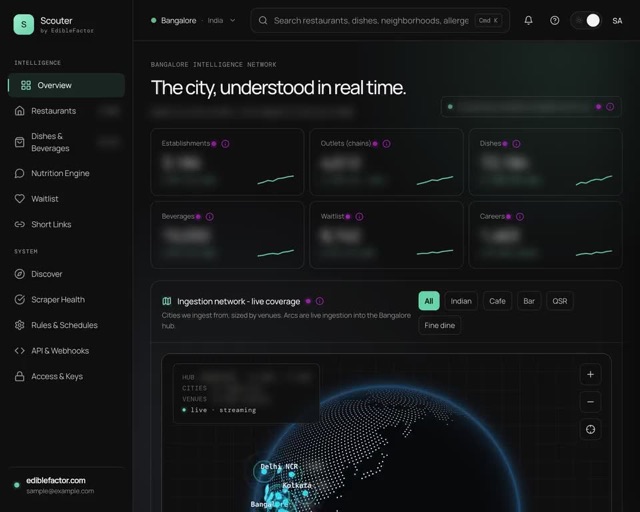
One Go backend owns auth, menus and operator context, running in Docker on a VPS with MongoDB Atlas for data. No PaaS, no vendor lock.
A chapter
A paper-white light mode, with dark left byte for byte unchanged.
The app shipped dark-only. Adding a light theme usually means a second design, and a second set of bugs. Instead it keys off the operating-system preference and flips automatically, while the shipped dark experience stays pixel-identical.
The trick is a token whose dark value equals the original literal. A new --brand-text-strong resolves to pure white in dark and to ink on paper; every white tint became color-mix(var(--brand-text-strong) N%), which is exactly the old value in dark and adapts on light. Four token sweeps, a scoped-cascade fix, a clean production build: dark could not regress, and light came almost for free.


Under the hood
Where it stands
Filed by kind: the client sites, the products, and the NB Originals.
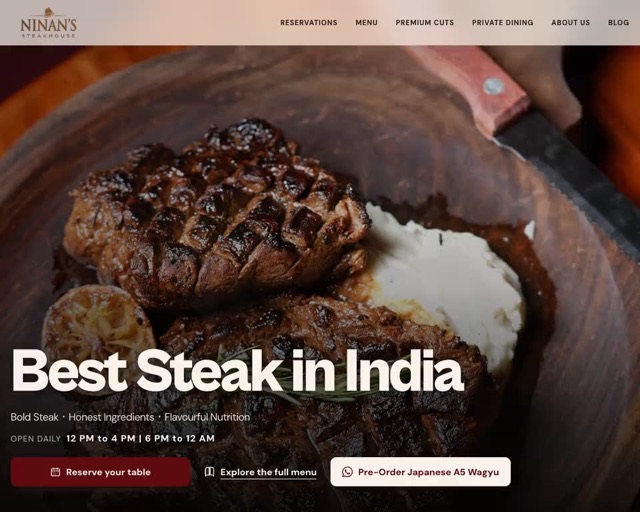
Ninan's Steakhouse, swimmerific, Gautam Shetty
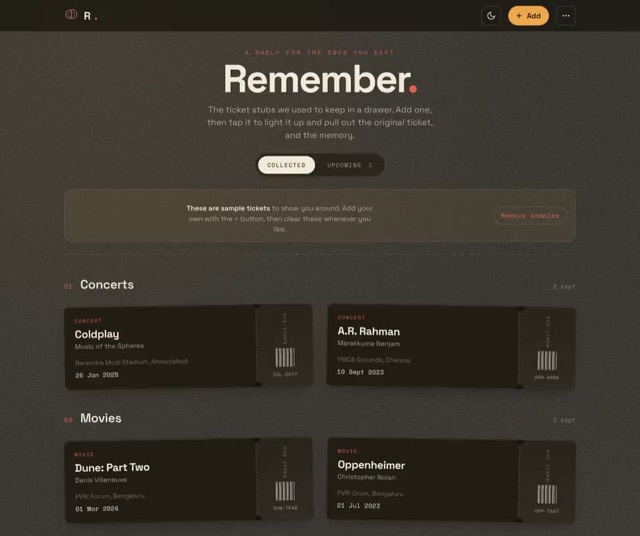
The app, Plate, Scouter, Remember
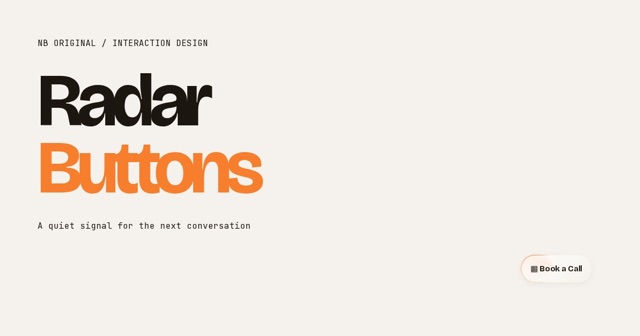
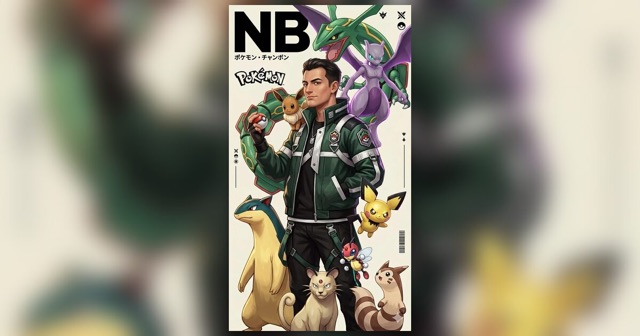
Radar Buttons, Champion, the design language